3 hr
Tulum Home Kitchen: Authentic Mexican Cooking Experience
- Entry ticket
- Mobile voucher
- Valid same day
- Free cancellation
Tulum Cooking Class — Hands-On Yucatecan Kitchen Sessions
Comal warm at dawn, masa pressed by hand.
Compare fares, pick the fit — all bookings are mobile-voucher and eligible for free cancellation where shown.
3 hr
2 hr 30 min
2 hr 45 min
Worth it for hands-on food travelers
At 1,700 MXN per person, a tulum cooking class sits above a sit-down dinner but bundles far more into one price. That fee is all-inclusive: market-fresh ingredients, the drinks poured throughout, and a full multi-course meal you plate and eat yourself. The real value is teaching time in a small group, where an instructor walks you through salsas, masa, and regional Yucatecan techniques rather than just serving them. Compare it to a generic Riviera Maya food tour, where you sample and move on without learning a thing. Guests routinely call these tulum cooking class tours pricey yet worth it precisely for that intimacy and take-home skill. It pays off for curious cooks and couples wanting a shared experience; less so for anyone chasing the cheapest way to fill a stomach. Book the tulum cooking class tickets when the recipes matter more than the bill.
Bottom line: If learning to cook matters more than the price tag, this tulum cooking class tour earns its 1,700 MXN.
Hand-picked experiences loved by thousands of travelers
2.5 hours
Free Cancellation
An intimate 2.5-hour culinary journey through five courses, curated sakes, and live music in a private Tulum villa.
2.5 hours
Free Cancellation
An open-air jungle dinner pairing five regional mezcals with a seasonal 5-course menu in Tulum.
1.5 hours
Free Cancellation
Discover Mexico's finest small-batch agave spirits paired with artisanal cheeses at Tulum's Mamazul Mezcalería.
Guests reserve a spot for the tulum cooking class and disclose any allergies or dietary needs by phone or email in advance
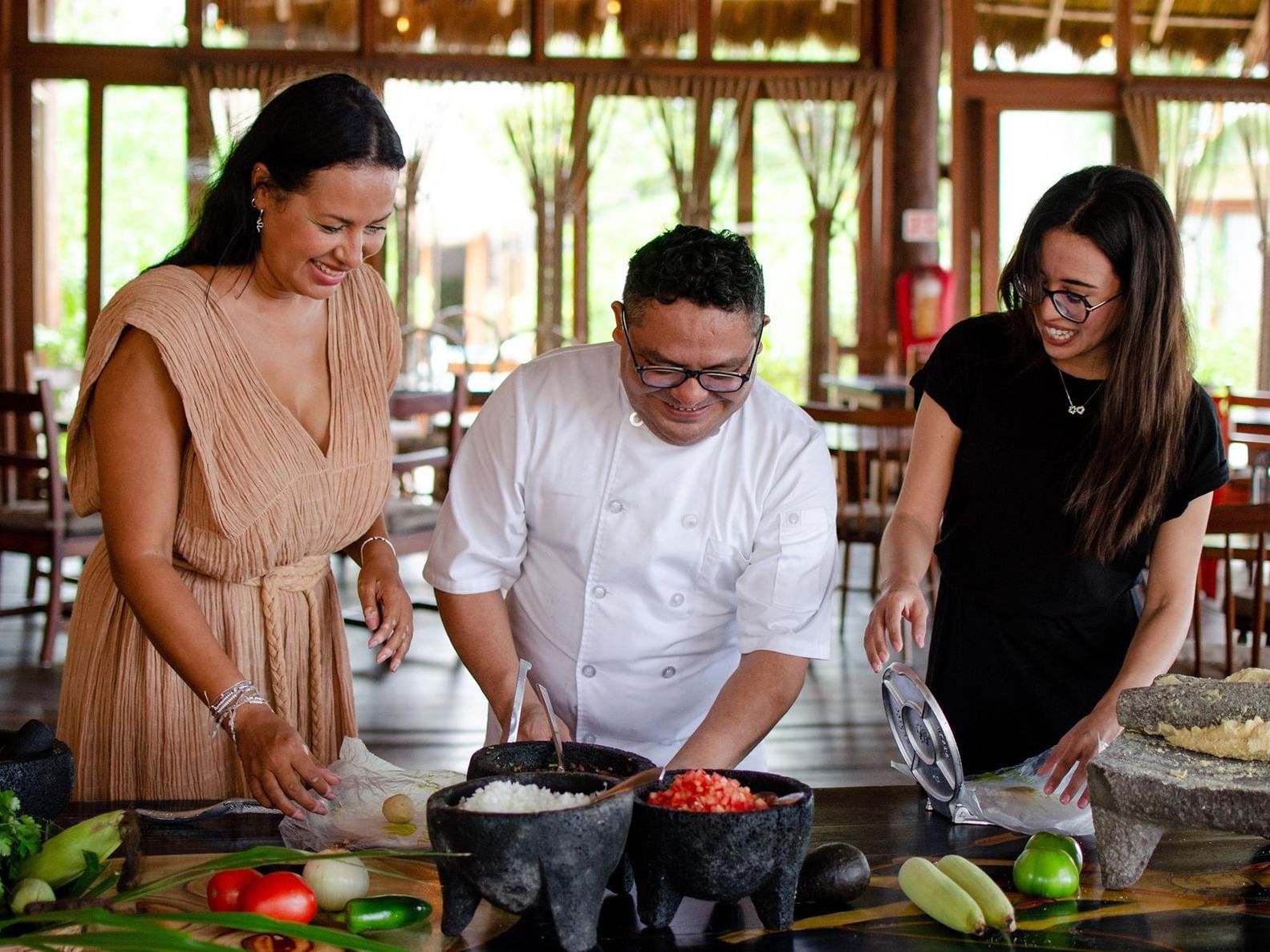
The class is held inside Lily's residential kitchen in Residencial Riviera Tulum rather than a commercial cooking studio, with groups capped at up to 14 people. The intimate setting is central to the class's family-style format.
Before cooking starts, Lily leads a 20-30 minute talk covering Mesoamerican ingredients, colonial influences, and family recipes passed down through generations. The session traces cooking traditions back through pre-Hispanic Mayan practices.
Guests press and cook tortillas by hand as part of the multi-course menu, a technique Lily learned from Yucatan neighbors after relocating to the region two decades ago. Each guest makes their own batch rather than watching a demonstration.
A dedicated prep station is used for crafting fresh salsas and guacamole from scratch, often featuring several regional chile varieties sampled raw before cooking. Guests taste ingredients individually before combining them.
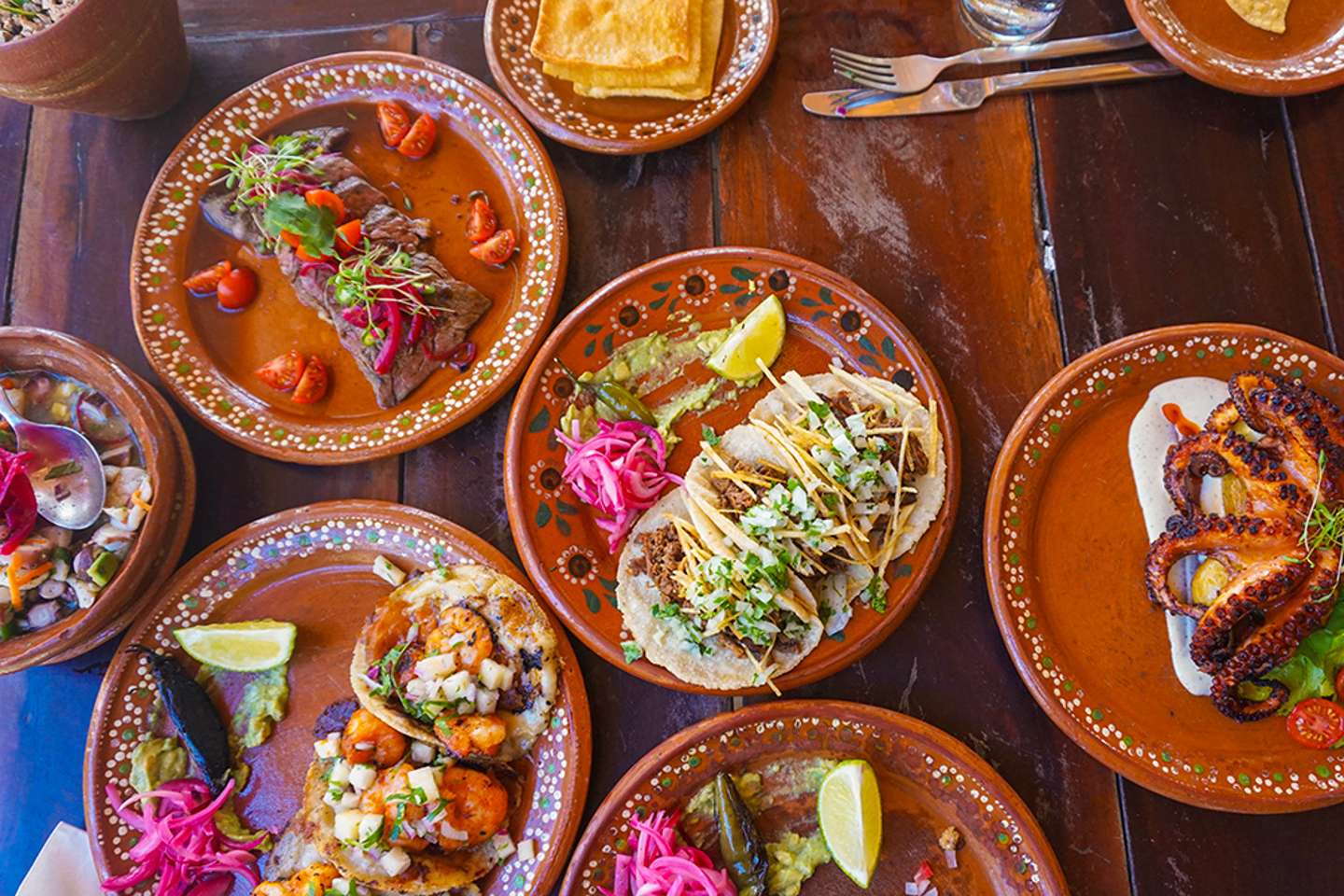
After cooking, the group sits together at a communal table to eat the finished three-course meal alongside agua fresca, beer, or mezcal. This closing meal is designed to feel like a home gathering rather than a restaurant service.
At the end of the tulum cooking class, guests receive copies of the recipes prepared that day, a detail frequently mentioned by returning visitors. The recipes reflect dishes passed down within Lily's own family.
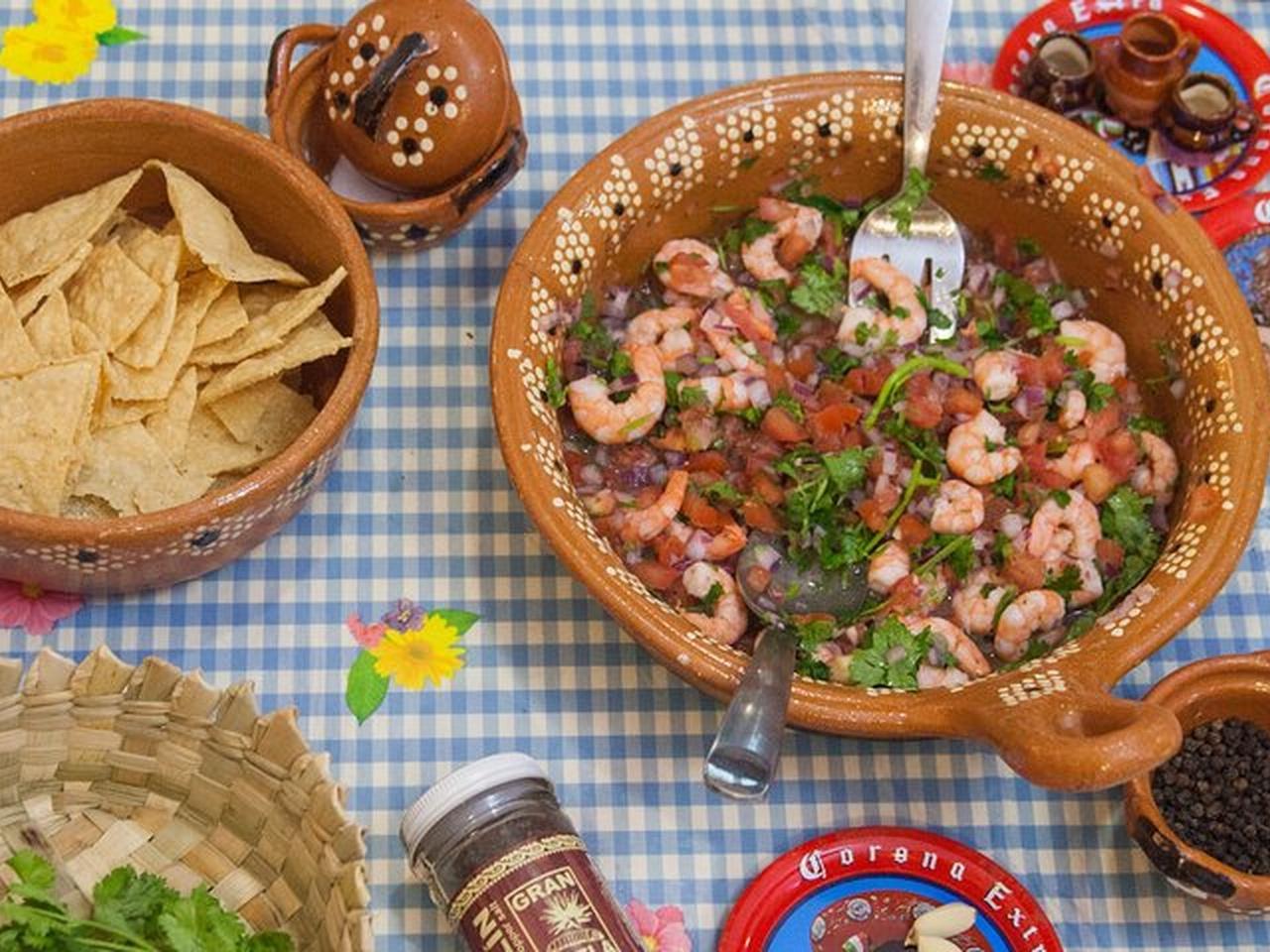
You arrive at Calle Ciricote 13 in the cool of mid-morning, before the heat settles over the Residencial Riviera Tulum. An apron is handed to you, and within minutes your hands are in a bowl of nixtamalized corn, learning how masa should feel — pliant, faintly warm, holding together without cracking. You press your first tortilla between two sheets and slide it onto the comal, watching for the puff that tells you it is done. Nearby, achiote is measured out, and you grind toasted spices in a molcajete until the paste turns deep red and fragrant. You marinate pork for cochinita pibil, wrap it in banana leaf, and set it to cook slowly while you move on. You chop, you taste, you adjust. A squeeze of sour orange sharpens the salsa; a single habanero, seeded carefully, lifts the xnipec. You build a sopa de lima from clear broth, crisp tortilla strips, and a bright finish of citrus, tasting at each stage rather than at the end. By the close of the session you sit down to eat what your hands have made, the pibil unwrapped at the table, the tortillas stacked under cloth. This tulum cooking class ends not with a demonstration but with a full plate. You leave with recipes, with the feel of masa in your fingers, and with a table's worth of dishes you understood from the first grind of spice.
All the details about your upcoming adventure in one place
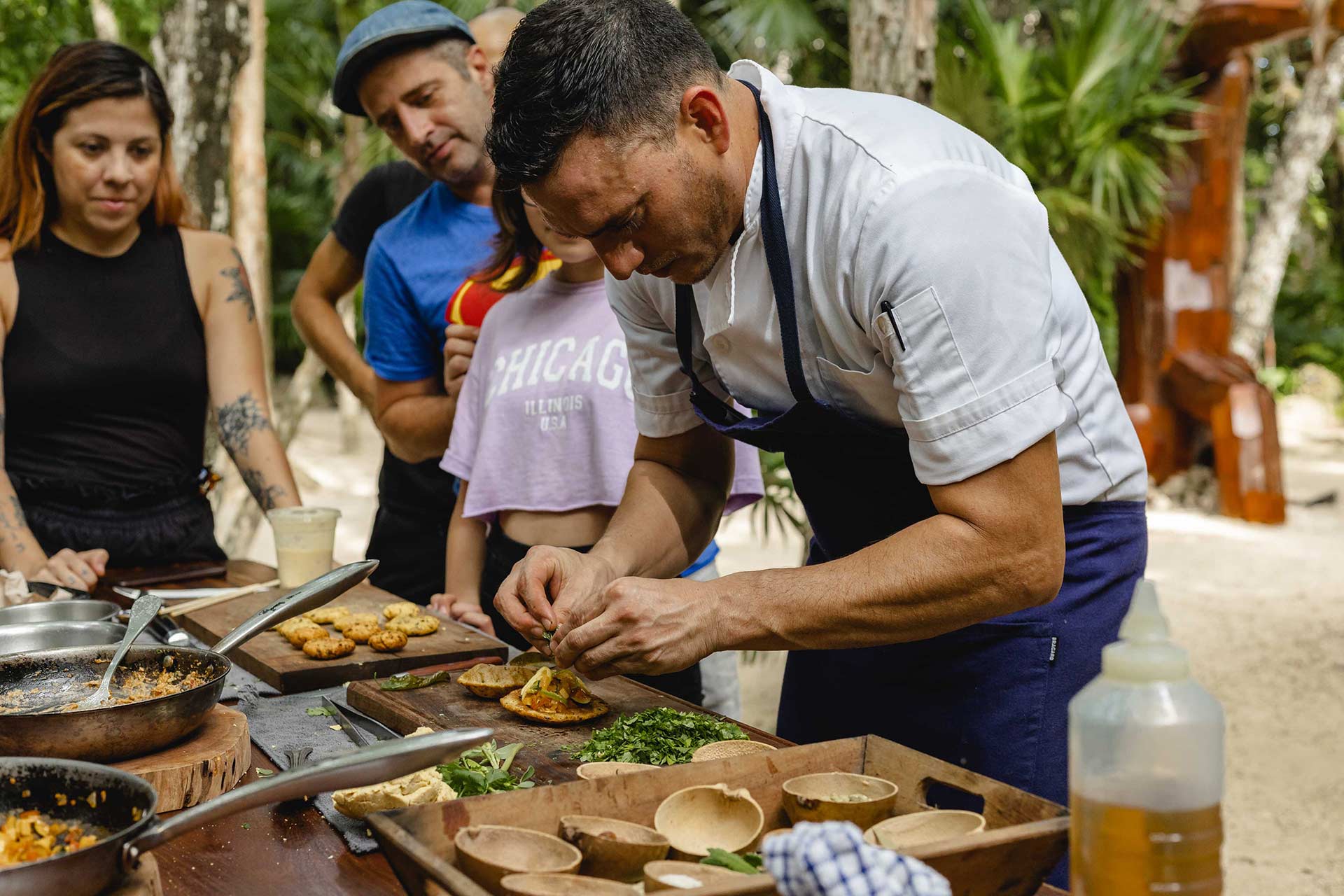
A tulum cooking class puts you at the counter with a local chef, working with masa, achiote, fresh salsas, and Yucatecan staples like cochinita pibil. These hands-on clase de cocina sessions blend Mayan technique with market-fresh ingredients, and tulum cooking class tours often begin with a guided walk through local produce stalls. Guests leave with recipes, technique, and a shared meal built from scratch.
The comal — a flat clay griddle used across Mesoamerica for more than three thousand years — still sits at the center of the Yucatecan kitchen, and it is where a Tulum cooking class begins. Long before the beach clubs and the boutique hotels arrived along the Riviera Maya, cooks in this corner of Quintana Roo were nixtamalizing corn with slaked lime, grinding it into masa, and pressing tortillas over open flame. The technique has barely changed. Quintana Roo became a Mexican state only in 1974, and Tulum itself was a quiet fishing settlement well into the late twentieth century. Its cuisine, however, reaches back to the Maya, whose recipes for cochinita pibil — pork marinated in achiote and sour orange, wrapped in banana leaf, and cooked underground in a pib — predate the Spanish arrival. Recado rojo, the brick-red achiote paste that colors so much of the region's cooking, remains a defining thread. This is food built on annatto seed, habanero, epazote, and the citrus tang of the region's bitter oranges. What gives a session at Calle Ciricote 13 its weight is the insistence on provenance. Ingredients are drawn from local markets and home gardens rather than imported shortcuts, and the recipes taught are the ones passed through Yucatecan households: sopa de lima built on a clear turkey or chicken broth, salsa xnipec sharp with habanero, and slow-cooked pibil unwrapped at the table. The setting, in the Residencial Riviera Tulum, keeps the atmosphere domestic rather than theatrical — a working kitchen, not a stage. The wider significance is quiet but real. As Tulum has drawn global attention, its landmarks and its landscape have increasingly been read through the lens of visitors, and a hands-on Tulum culinary class offers a counterweight: an afternoon spent inside the region's food culture rather than beside it. A clase de cocina en Tulum situates the traveler at the grinding stone and the flame, where technique and memory are inseparable. That continuity is the point. The molcajete, the volcanic-stone mortar, does work no blender replicates, coaxing oils and aromatics from toasted spices. The pib preserves a cooking method older than any recipe written down. A well-run tulum cooking class does not simply hand over dishes; it hands over the reasoning behind them — why lime transforms corn, why banana leaf perfumes the pork, why habanero is tempered with citrus. In a town increasingly defined by what is new, the kitchen holds to what is old, and does so without apology or spectacle.
The comal still sits at the center of the Yucatecan kitchen, and the technique has barely changed.
Casual, breathable clothing is recommended for the tulum cooking class since guests stand at a stovetop in a warm home kitchen. Closed-toe shoes are advised for safety around hot pans and knives, and light, quick-dry fabrics help with Tulum's humidity.
There is no bag check or security screening at Rivera Kitchen Tulum, since the class runs inside a private residential kitchen rather than a ticketed venue. Guests should keep bags to a minimum given limited counter space and bring only what fits comfortably at a shared cooking station.
Personal photography and video of the cooking process and shared meal are welcome throughout the tulum cooking class. As the kitchen is inside a family home, guests are asked to keep photos to the cooking areas and common spaces rather than private parts of the house.
Children are welcome in the group setting, though the hands-on stovetop work and knife use suit older kids best. Younger children should be closely supervised near the cooktop.
The kitchen is a ground-floor home setup with standard doorways, though it is not a purpose-built accessible facility. Guests with mobility needs should call +529841292690 ahead of booking so seating and counter height can be arranged.
All ingredients, a cooked multi-course meal, and drinks including agua fresca, beer, and mezcal are included in the 1,700 MXN fee for the tulum cooking class. Dietary restrictions, allergies, and vegan or vegetarian preferences should be disclosed when booking so the menu can be adjusted in advance.
Morning class fills first
Popular midweek slot
Evening class often sells out
Busiest day of the week
Session times
Morning class 10:30–13:30 or evening class 17:30–20:30, six days a week
Car · 10-20 min · Free parking within the residential community
Self-driving from downtown Tulum or the Hotel Zone takes about 10-20 minutes via Highway 307 into Residencial Riviera Tulum; guests should confirm gate access with Lily's team beforehand
Taxi · 15-25 min · Approx. 150-250 MXN depending on pickup point
Taxis from the Hotel Zone or Tulum Pueblo to Calle Ciricote 13 are the most common way guests reach the tulum cooking class
Public transport · 20-30 min · Approx. 25-40 MXN for the colectivo leg
Colectivos (shared vans) run along Highway 307 and can drop passengers near the Residencial Riviera Tulum turnoff, with a short walk or short taxi to the gate
Bookings for the tulum cooking class can be cancelled up to 24 hours before the scheduled start time for a full refund of the 1,700 MXN per-person fee. Cancellations made inside the 24-hour window are generally non-refundable.
Recommended time
3 hours
Block out roughly 3 hours for a tulum cooking class, matching either the 10:30–13:30 morning session or the 17:30–20:30 evening slot, since both run the same hands-on length from prep through the shared meal. Morning sessions run cooler and end in a light lunch, while the evening class leans into a relaxed, dinner-style pace with more time to linger over mezcal after cooking wraps. Add 15-20 minutes if you're coordinating pickup from the meeting point, and note some classes run a little past schedule once everyone starts eating. There's no ticket queue to worry about here, since groups are small and seating is confirmed in advance.
Crowd levels through the day
Weather · crowds · average price — dots go green to amber to red as each metric rises.
Daytime highs sit around 24-28°C with lower humidity, making the walk to and from the kitchen more comfortable. This is the busiest tourist season in Tulum, so booking a tulum cooking class a few days ahead is recommended.
Highs reach 30-31°C with humidity above 80%, so the 10:30 morning session is noticeably cooler than the midday hours. Rain showers are brief but frequent from June onward.
March and April are dry with strong midday sun; May is the hottest month with highs near 32°C, so evening classes at 17:30 feel more comfortable.
September and October see the heaviest rainfall and occasional tropical storm activity, so checking the forecast before an evening cooking class is worthwhile.
Tell Rivera Kitchen Tulum about allergies, vegan, or vegetarian preferences when booking so Lily can adjust the menu before the class begins.
Card payment isn't always practical in a home kitchen setting, so small bills in Mexican pesos are useful for tipping the host and any assistants.
Because the kitchen sits inside a gated residential community, confirm pickup or entry instructions by phone at +529841292690 before arrival.
The 17:30 class runs into early evening, when a light breeze can make the outdoor seating areas feel cooler than midday.
The shared meal typically includes mezcal and beer alongside agua fresca, so let the host know if you'd prefer a non-alcoholic pairing.
Many past guests recommend asking for printed or emailed recipes at the end so the dishes can be recreated at home.
Winter months draw more visitors to Tulum overall, so reserving a tulum cooking class a few days in advance helps secure a preferred session.
Calle Ciricote 13, Residencial Riviera Tulum, 77760 Tulum, Quintana Roo
Gated community entrance; Lily's team coordinates pickup or entry for guests without a car
Get directionsThe recipes taught in this tulum cooking class descend from techniques far older than any menu. Nixtamalization, the alkaline cooking of maize with cal (slaked lime), was practiced across Mesoamerica by roughly 1500 BCE. The process softened dried corn, released niacin, and made the masa that still binds the region's table. Maya cooks along the Yucatán coast ground this masa on the metate and pressed it into tortillas by hand, a rhythm the class still teaches at the comal. Salsa traditions grew from the same soil. The Nahuatl word chīlli gave the world its name for chile, and Aztec markets at Tlatelolco, recorded by Spanish chroniclers in 1519, sold dozens of varieties alongside tomatoes and cacao. Mezcal and its relatives trace to fermented agave, a plant the Maya and later cultures distilled and burned into smoke-rich spirits. These are the LSI threads — masa, comal, agave, chile, metate — that the riverakitchentulum.com recipe stories draw out for guests. Spanish arrival after 1519 layered new ingredients onto indigenous foundations rather than erasing them. Pork lard, citrus, wheat, and Old World spices entered the Yucatecan kitchen, and dishes such as cochinita pibil married European pig with Maya pib pit-cooking and achiote. This fusion, not conquest alone, is the culinary history this tulum cooking class tour narrates as each dish is prepared. Today's tulum cooking class tours frame that inheritance as living craft. The teaching kitchen on Calle Ciricote 13 keeps the metate and comal central, so guests handle the same tools Maya cooks used centuries before Cortés. Booking tulum cooking class tickets means stepping into a lineage of Yucatán cuisine that colonial exchange reshaped but never replaced. The Tulum culinary tour treats each recipe as a document, and the smoke of the comal as its oldest surviving line.
Mesoamerican cooks develop nixtamalization, cooking maize with cal to make workable masa.
Yucatán Maya grind masa on the metate and press hand-shaped tortillas at the comal.
Aztec markets trade dozens of chiles, tomatoes, and cacao that anchor early salsa traditions.
Spanish chroniclers record the vast Tlatelolco market and Yucatán's agave and chile cultures.
Spanish colonists add pork lard, citrus, and wheat, layering onto Maya pib pit-cooking.
Dishes like cochinita pibil fuse European pork with achiote and Maya technique.
The Tulum teaching kitchen preserves the metate and comal as the core of its recipe stories.
A tulum cooking class here plays out family-style in a real home kitchen, with everyone gathered around one table for the meal you just cooked together. It works well for kids who like helping in the kitchen, though the pace and knife work suit school-age children more than toddlers.
Kids around 6 and up get the most out of the hands-on tortilla-pressing and salsa-making; younger children can watch and taste but may tire during the full 3-hour session.
Vegetarian, vegan, and pescatarian needs are fully accommodated, including picky-eater kids, as long as you flag them when booking rather than on arrival.
The group eats family-style at one shared table once cooking wraps up, so siblings and parents sit together rather than at separate kids' and adults' stations.
Build in short breaks for restless kids during the demonstration parts, since most of the 3 hours is active cooking rather than passive sitting.
As a private home rather than a commercial venue, formal baby-change facilities aren't standard, so pack essentials for infants and toddlers.
Sessions run small, up to around 14 guests, which keeps things calmer for families than a large tulum cooking class tour with strangers.
Because this tulum cooking class runs inside Lily's private home in a gated residential community, there is no on-site restaurant or food stand and no need for one: the multi-course meal you prepare becomes lunch or dinner itself. Bring an appetite rather than a plan for a nearby taqueria, since Residencial Riviera Tulum is primarily houses, not a dining strip.
Guests hand-make tortillas, guacamole, and salsas from scratch, then move on to tacos al pastor, a simmered main, rice or beans, and a dessert like flan; mezcal, national wine, and agua fresca are poured throughout. This replaces a restaurant reservation for the day, since the shared table at the end of the session is the meal.
Not walkable from the residential venue, but a common post-class dinner pick for guests staying near Aldea Zama who want a second, separate outing later that evening.
Another option for travelers based downtown who want a night out unrelated to the cooking class itself, rather than a walkable extension of the Ciricote address.
Real experiences from real travelers
We booked the tulum cooking class for our second afternoon and it turned out to be the best thing we did all week. The chef walked us through grinding masa and pressing tortillas over a comal, and the jungle setting kept everything cool despite the July heat. Everything we cooked, we ate at a long shared table afterward.
Learning cochinita pibil wrapped in banana leaf was the highlight, and the achiote marinade smelled incredible steaming in the underground pit. Our host explained each Yucatecan ingredient without rushing. A relaxed Tulum culinary tour that felt more like cooking with friends than a lesson.
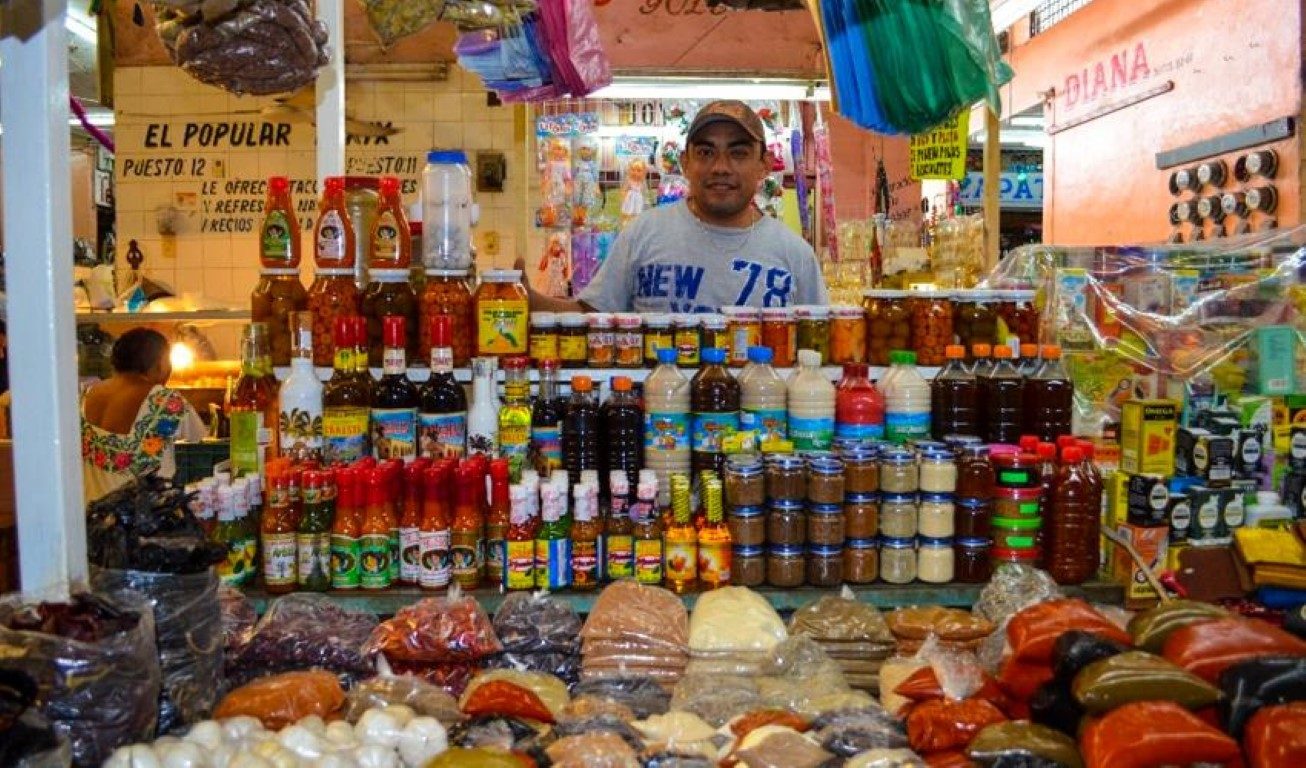
The clase de cocina en Tulum started at a small market where we picked epazote, limes, and habaneros before heading into the palapa kitchen. Grinding salsa in the molcajete was harder than it looked but very satisfying. We arrived mid-morning and the light through the palms was lovely.
Good hands-on session making guacamole, salsa verde, and fresh tortillas as the sun dropped. The open-air kitchen gets warm in the afternoon so bring water. Still one of the more memorable tulum cooking class tours we found in the Riviera Maya.
Plenty of portions and plenty of laughing. The chef showed us how to toast dried chilies and build a proper salsa from the molcajete up. Booking our tulum cooking class tickets in advance meant a small group, which made it easy to ask questions.
Aprendimos a preparar sopa de lima y tortillas hechas a mano, and the epazote and achiote flavors were completely new to me. Set deep in the jungle with birds overhead the whole time. A lovely Tulum food tour for anyone curious about regional Mexican cooking.
Pressing blue corn masa on the comal was oddly meditative and the results were far better than anything store-bought. Our guide balanced history with plenty of tasting. This tulum cooking class tour ran a touch long but nobody minded once the cochinita came out.
Six of us gathered around the fire learning to temper habanero heat with sour orange. The palapa stayed breezy even at midday and the hibiscus agua fresca kept flowing. Easily the tastiest afternoon of our trip.
No fancy equipment, just a comal, a molcajete, and a very patient chef. We made salsa, guacamole, and tortillas from scratch under the palms. A genuine tulum cooking class rather than a polished tourist show, which is exactly what we wanted.
The cooking itself was solid and I loved grinding the achiote paste, though our session had more people than expected. Flavors were bright and the tortillas came out perfectly. Worth doing if you enjoy hands-on Mexican cuisine.
Everything you need to know for your journey
Rivera Kitchen Tulum runs two sessions Monday through Saturday, 10:30–13:30 and 17:30–20:30, and is closed on Sundays.
The kitchen is a home setting rather than a purpose-built accessible venue, so guests with mobility needs should call +529841292690 ahead so seating and counter height can be arranged.
Outside alcohol, weapons, illegal substances, drones, and pets other than service animals are not permitted at the tulum cooking class, along with a handful of other common-sense restrictions listed in the visitor guide.
Yes, personal photos and video of the cooking process and shared meal are welcome, though guests are asked to keep shots to the kitchen and common areas of the home.
Morning arrival between 10:30 and 11:00 avoids the strongest midday heat, and winter months (November to April) bring cooler, less humid conditions for the class overall.
Casual, breathable clothing and closed-toe shoes are recommended, since guests stand at a stovetop for the hands-on portion of the tulum cooking class.
The 1,700 MXN per-person fee covers all ingredients, a full cooked meal, and drinks including agua fresca, beer, and mezcal.
Taxis from the Hotel Zone or Tulum Pueblo take about 15-25 minutes to reach Calle Ciricote 13, and colectivos along Highway 307 offer a cheaper option with a short walk or taxi to the gate.
Children are welcome in the group class, though the stovetop work and knife use are best suited to older kids with adult supervision.
Bookings can be cancelled up to 24 hours before the start time for a full refund of the 1,700 MXN fee; cancellations inside that window are generally non-refundable.
The Tulum Archaeological Site, Gran Cenote, and Tulum Pueblo are all within a 10-15 minute drive and pair well with a morning or evening class.
The all-inclusive tulum cooking class fee is 1,700 MXN per person, covering ingredients, instruction, the shared meal, and drinks.
Clifftop Mayan ruins overlooking the Caribbean, including the well-known El Castillo structure. It remains one of the few Mayan sites built directly on the coast.
A popular freshwater cenote with clear water, stalactites, and turtles, used for swimming and snorkeling.
The town center with markets, restaurants, and craft shops distinct from the beachfront Hotel Zone.
A regional museum in nearby Chetumal covering Mayan history and artifacts across the Yucatan Peninsula.
A shallow, mangrove-lined cenote connected to the sea, popular for kayaking and snorkeling.
A beachfront strip of design-forward boutique hotels along the coastal road south of town.
The town center offers mid-range hotels and guesthouses closer to local restaurants and shops.
A newer residential and hotel district between the pueblo and the beach, close to Residencial Riviera Tulum.
A quieter residential neighborhood with hostels and budget guesthouses popular with longer-stay visitors.
Join thousands of happy travelers who have discovered this incredible experience
Book Your Experience Now