

Tulum Tours

Swim sunlit cenotes, walk a walled Mayan city above the sea, and snorkel Akumal's turtle bay.

Explore Attractions
Destination guide

Why Visit Tulum?

Beneath Tulum runs one of the longest underwater cave systems on Earth — a flooded limestone labyrinth that surfaces, again and again, as the cenotes that define the region. The Yucatán Peninsula has almost no rivers above ground.

Read more Show less

Instead, rain filters through porous rock into vast subterranean channels, and where the ceilings collapse, daylight pours into pools of astonishing clarity. This geology shaped the ancient Maya, who treated cenotes as sacred wells, and it shapes the visitor's day now. A morning of Tulum Tours often begins in one of these sunlit caverns before the coast even comes into view.

What defines Tulum today is the density of what lies within a short radius. The walled clifftop city — a late Postclassic Mayan port once called Zamá, meaning dawn — trades in a compressed history the town wears lightly. Around it, the jungle holds ATV trails and ziplines; offshore, the Mesoamerican Reef, the second-largest barrier reef in the world, brings snorkelers and divers within reach of parrotfish, rays, and the sea turtles of Akumal. Few destinations stack archaeology, freshwater caves, and living coral so close together.

The site's own pages trace how these pieces connect. Cenote tours lead into the flooded caverns; the Mayan ruins tour climbs to El Castillo above its swimmable cove; snorkeling in Akumal reaches the turtle bay; jungle ATV and zipline routes cut inland through dense bush; and Chichén Itzá day trips open the peninsula's greater pyramids to a longer inland journey. Gran Cenote tickets and boat outings round out a roster that lets a traveler assemble a week without repetition. The best Tulum Tours tours are the ones that read the landscape rather than fight it.

Tulum suits a particular kind of traveler — one drawn to nature and antiquity in equal measure, willing to trade polish for immediacy. Divers and free-divers gravitate to the cave systems. Families balance beach hours with a turtle swim or a ruins walk. History-minded visitors find in the clifftop stones a quieter counterpoint to the megasites inland. The pace is unhurried, the geography forgiving, the choices genuinely varied. A single Tulum Tours tour can anchor a day, and the surrounding cenotes, reef, and jungle fill the rest. Booking Tulum Tours tickets in advance for the marquee sites spares the midday heat and the queues. What lingers, in the end, is the water — freshwater below the rock, salt water beyond the sand, and a walled city keeping watch between them at the edge of the dawn coast.

“Freshwater below the rock, salt water beyond the sand, and a walled city keeping watch between them at the edge of the dawn coast.”

Clifftop Mayan Port

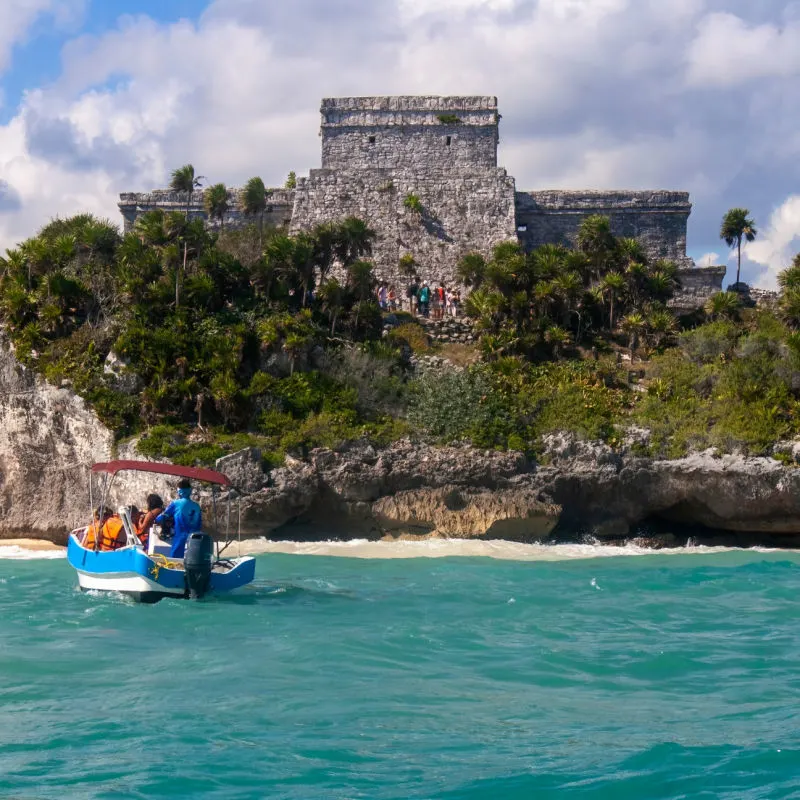
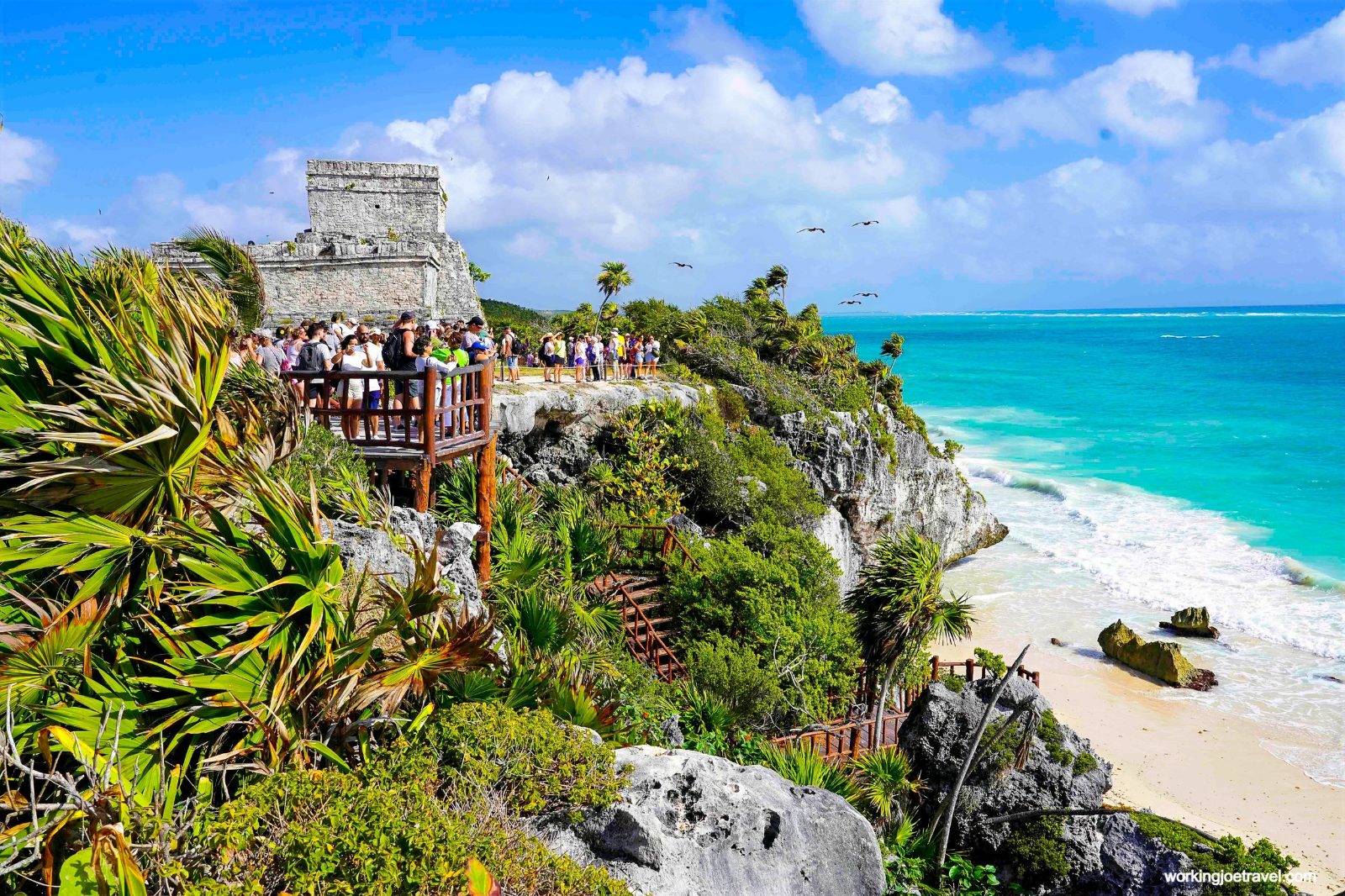
Tulum's walled ruins are the only major Mayan city built overlooking the Caribbean, with El Castillo above a swimmable cove.

Cenote Cave Swimming

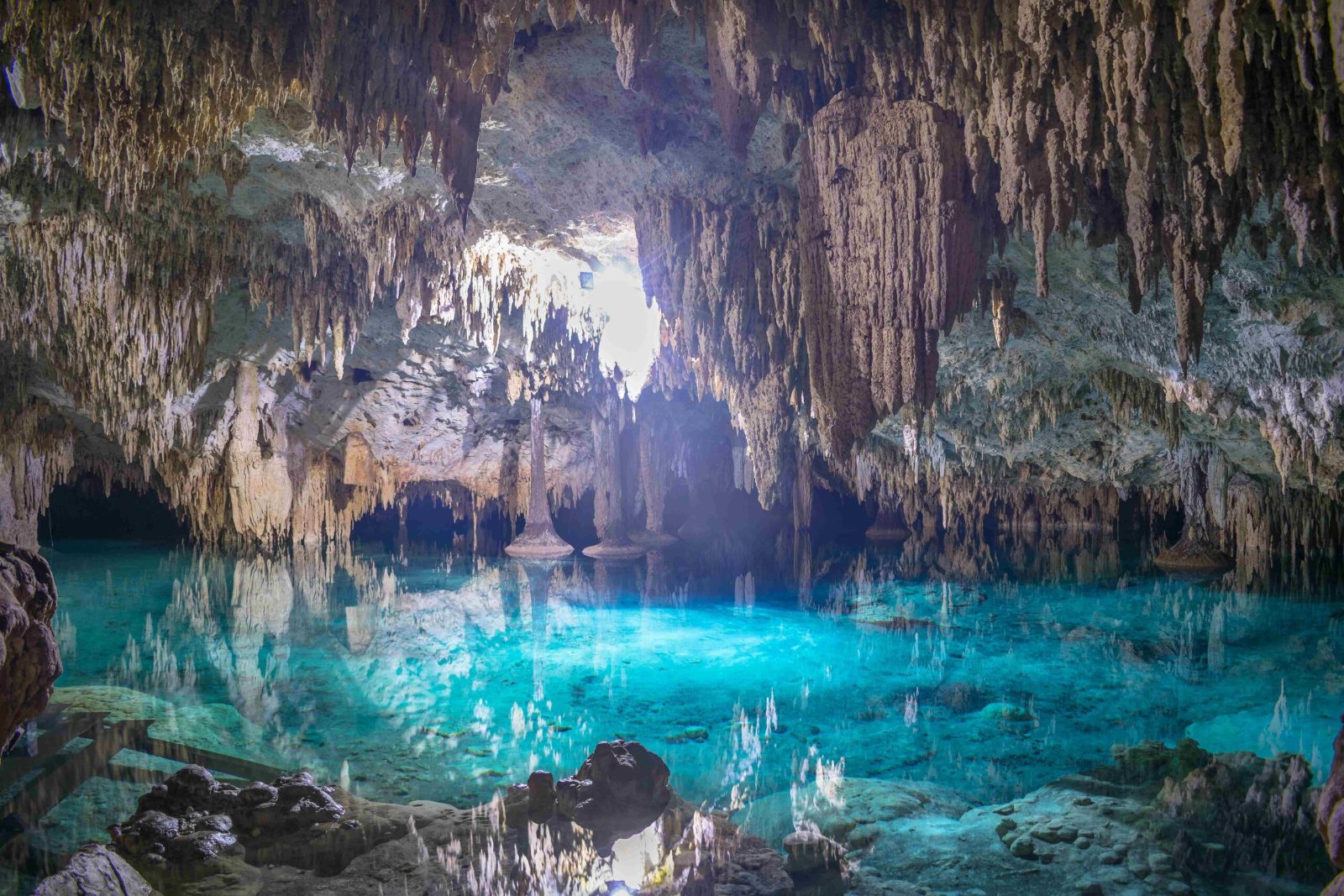
Freshwater sinkholes like Gran Cenote and Casa Tortuga offer snorkeling and cave swims through crystal-clear limestone systems.

Akumal Turtle Snorkeling

A short trip north reaches Akumal bay, where sea turtles graze seagrass meadows within easy snorkeling distance of shore.

Most popular

Top attractions in Tulum

Tulum bundles ancient stone, flooded caverns, open water, and jungle adrenaline into one compact stretch of the Riviera Maya. The tours here fall into a few clear moods: culture at the ruins and Chichen Itza, water above and below ground, and high-energy jungle runs. Choose by pace and appetite for water versus history, mix a calm cenote morning with a boisterous ATV afternoon, and let airport transfers handle the logistics so your days stay yours.

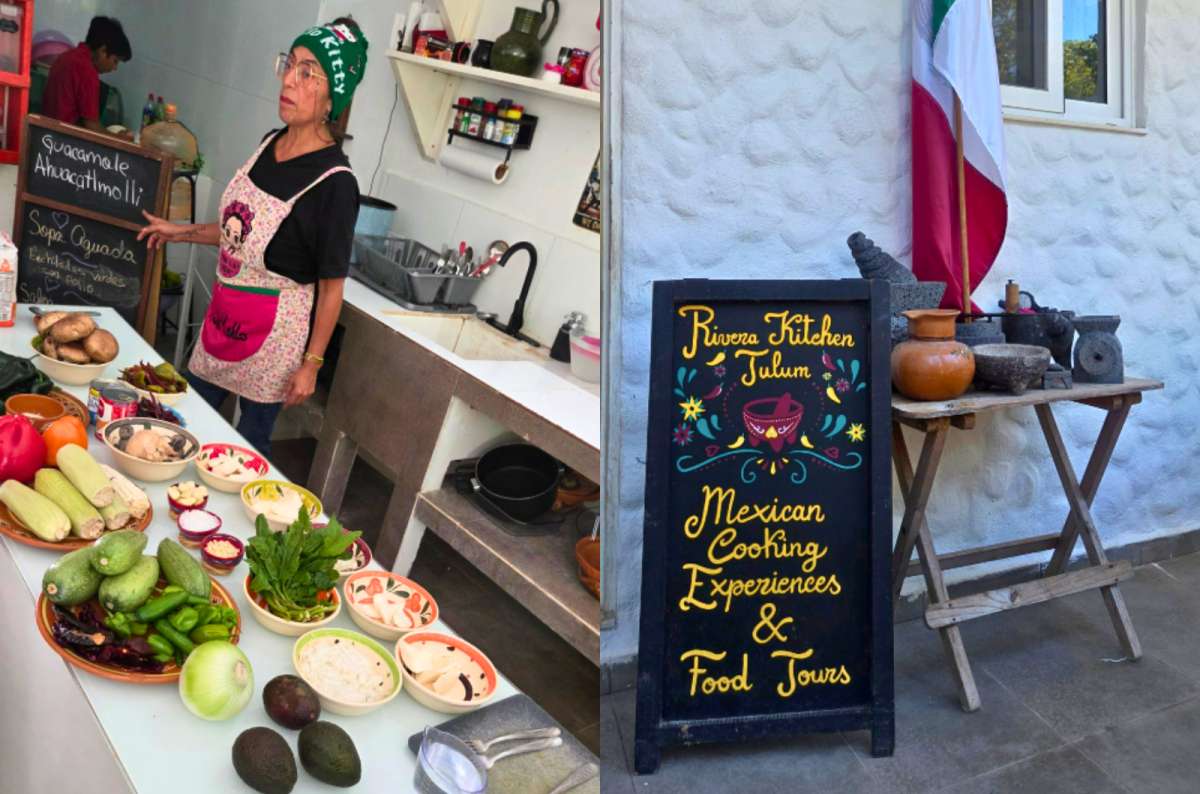
Tulum Cooking Classes & Food Tours Food Tour

Tulum Cooking Classes & Food Tours

Grind masa, roll tortillas, and cook cochinita pibil with local chefs, or graze taquerias and market stalls to learn Yucatecan flavors hands-on.

From €68.25 View guide
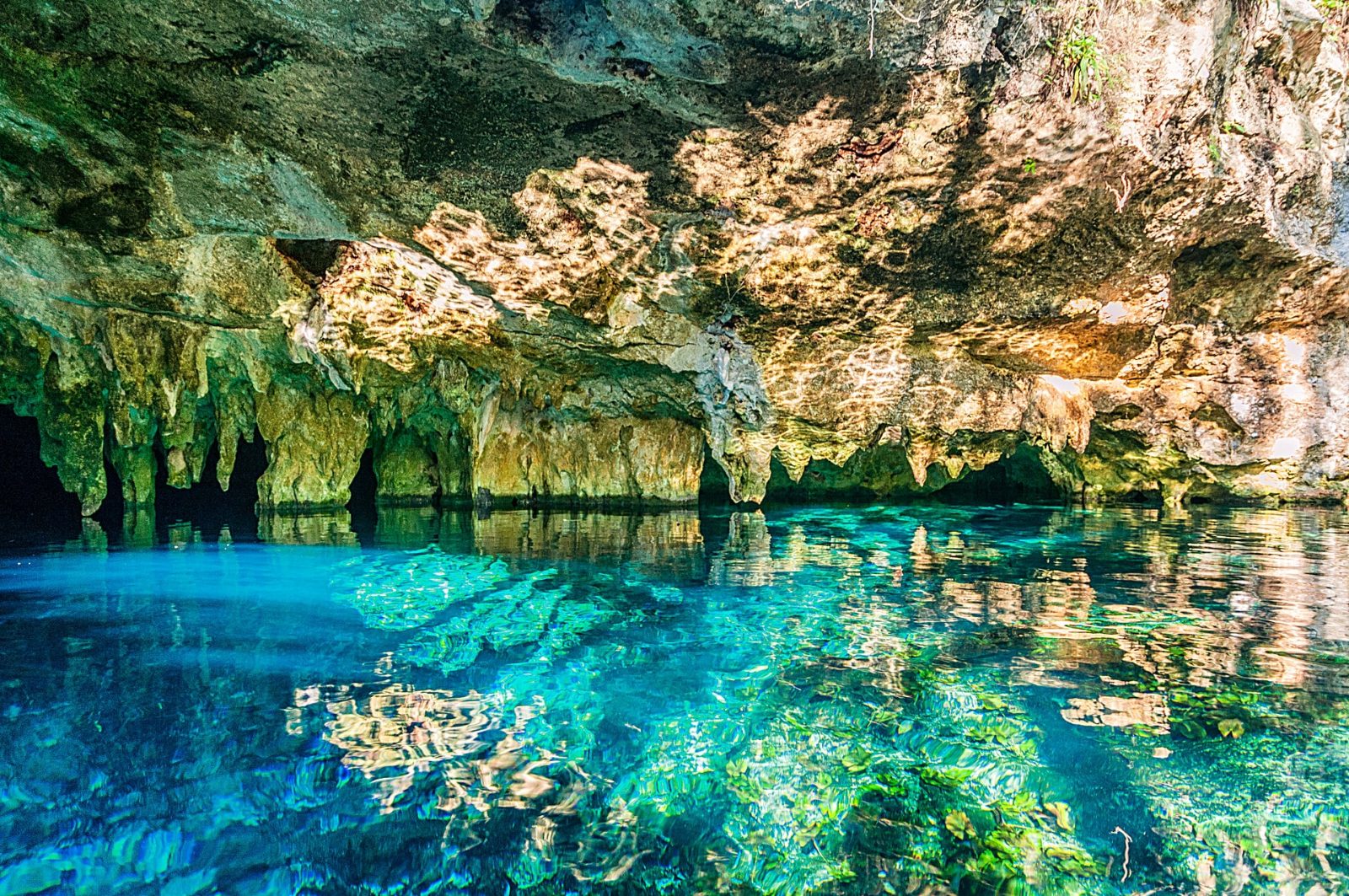
Gran Cenote & Casa Tortuga Tickets Cenote

Gran Cenote & Casa Tortuga Tickets

Skip-the-line tickets to Gran Cenote's turtle-filled pools and connected caverns, plus Casa Tortuga's four-cenote circuit of caves, platforms, and swim spots.

From €302.36 View guide
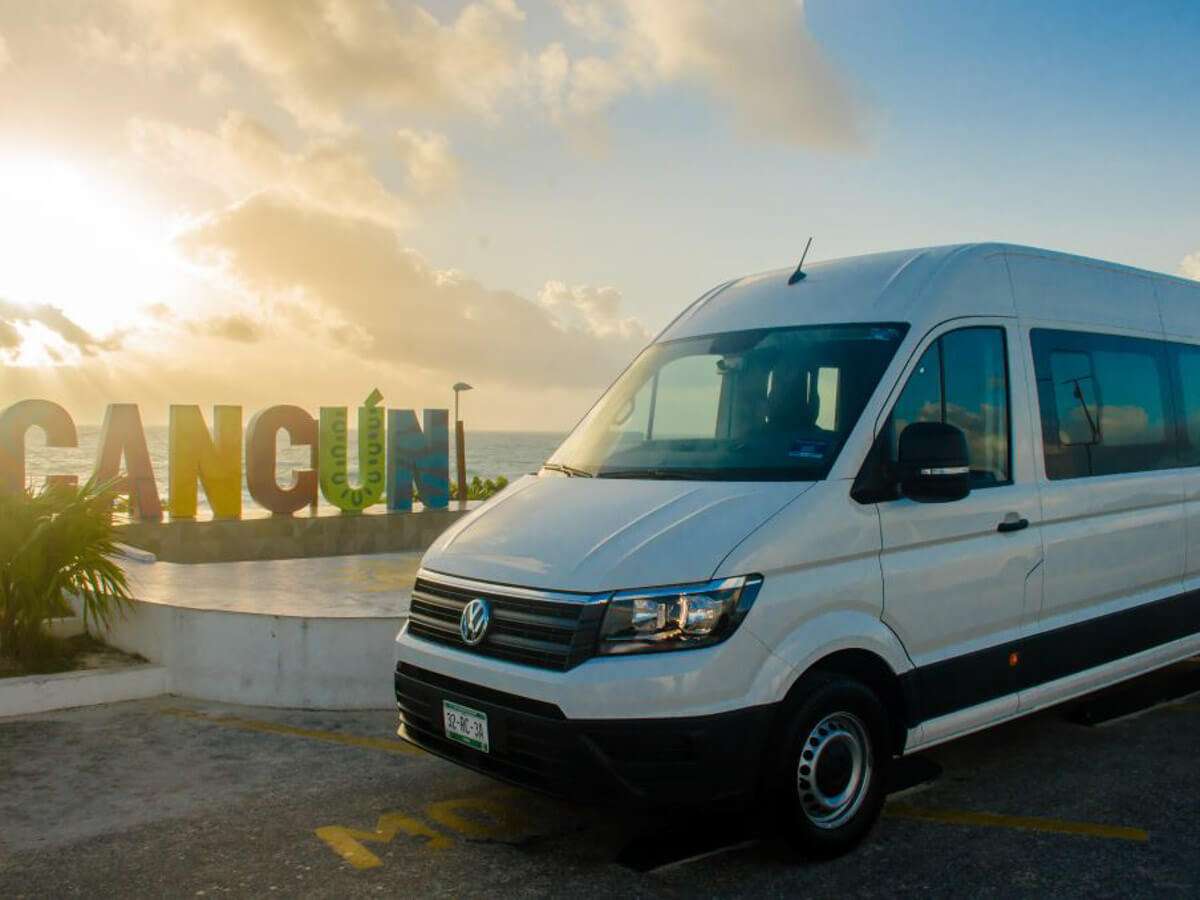
Tulum Airport Transfers & Shuttle Services Transfer

Tulum Airport Transfers & Shuttle Services

Book private door-to-door shuttles from TQO or CUN so you skip the ADO queues and taxi haggling, arriving straight at your hotel or beach club.

From €19.42 View guide
ATV, Zipline & Jungle Adventures in Tulum Adventure

ATV, Zipline & Jungle Adventures in Tulum

Tear along muddy jungle trails by ATV, zip over the canopy, and rappel into a cenote on a combined adrenaline circuit inland from the coast.

From €76.89 View guide
Snorkeling with Turtles in Akumal from Tulum Snorkeling

Snorkeling with Turtles in Akumal from Tulum

Slip into Akumal bay to snorkel alongside green sea turtles grazing on seagrass, with rays and reef fish sharing the shallow, calm protected water.

From €30.66 View guide
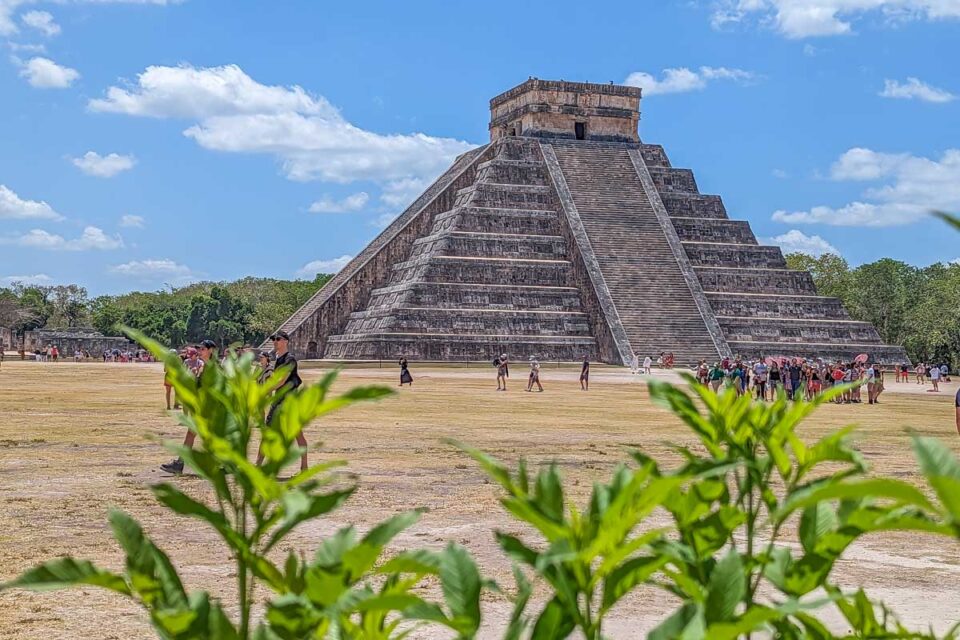
Chichen Itza Day Trips from Tulum Day Trip

Chichen Itza Day Trips from Tulum

Ride out to the Yucatán interior to stand before El Castillo, the ball court, and cenote Ik Kil, at one of the New Seven Wonders.

From €62.2 View guide
Private Yacht & Catamaran Tours in Tulum Boat Tour

Private Yacht & Catamaran Tours in Tulum

Charter a private catamaran or yacht along the Caribbean coast, with snorkel stops over reef, open-bar cruising, and swim breaks in turquoise shallows off the Tulum shoreline.

From €219.43 View guide
Tulum Cenote Tours & Cave Swimming Experiences Cenote

Tulum Cenote Tours & Cave Swimming Experiences

Descend into limestone sinkholes and flooded caves, swimming through clear freshwater past stalactites and shafts of light in the jungle's underground river system.

From €55.41 View guide
Tulum Mayan Ruins Tickets & Guided Tours Ruins

Tulum Mayan Ruins Tickets & Guided Tours

Walk the clifftop Tulum archaeological site above the sea, touring El Castillo and the Temple of the Frescoes with a guide decoding the carvings.

From €17.51 View guide

All Attractions

Day plans

Tulum Tours Itineraries: 1-Day, 2-Day and 3-Day Plans

Three days covers Tulum's core without rushing: ruins and a cenote on day one, a jungle or reef add-on on day two, and a longer excursion on day three. Each plan sequences the sub-page tours so you're never backtracking, and every stop below links to its dedicated page for booking and logistics. Start early on ruin and cenote days to beat both heat and crowds.

1
Morning

Tulum Mayan Ruins

Walk the clifftop archaeological site on a guided or self-led ticket; budget about two hours and bring water, since shade is scarce.

View guide
2
Afternoon

Gran Cenote swim

Cool off at Gran Cenote or Casa Tortuga with mask and fins; allow 90 minutes for the caverns and turtle-filled pools.

View guide
3
Evening

Beach zone sunset

End at the beach strip for a swim and a drink as the light drops; a short taxi hop gets you there from town.

1
Morning

Akumal turtle snorkel

Snorkel with sea turtles in Akumal's shallow bay; the guided outing runs a few hours including gear and a short reef stop.

View guide
2
Afternoon

Jungle ATV and zipline

Trade the reef option for an inland ATV, zipline, and cenote circuit through the jungle; expect a muddy, half-day loop.

View guide
3
Evening

Cooking class

Learn to make regional dishes in a hands-on cooking class, then eat what you cook; classes typically last around three hours.

View guide
1
Morning

Chichen Itza day trip

Set off early for the Chichen Itza archaeological complex; the round trip fills most of the day with guide and transport included.

View guide
2
Afternoon

Cenote tour

If you stay closer to town, swap in a cave-swimming cenote tour instead of the long drive.

View guide
3
Evening

Yacht or catamaran

Close the trip with a private boat outing along the coast, timed for late-day sun on the water.

View guide
Where to go

Tulum Tours by Neighborhood: Beach Zone, Pueblo, Aldea Zama and La Veleta

Tulum splits into four zones that tour pickups treat differently: the coastal Beach Zone (Zona Hotelera) strung along the sand, and three inland areas — Pueblo, Aldea Zama, and La Veleta — set back a few kilometers toward the highway. Most tour vans loop through all three inland zones before or after a beach-road stop, so where you're based mainly affects pickup order and ride time, not availability.

Beach Zone

Best for: Beach clubs · ruins access

A narrow strip of sand-road hotels, beach clubs, and restaurants running parallel to the coast, with the archaeological site at its northern end. Tours based here often run longest to reach cenotes and jungle sites inland, since everything else sits several kilometers back toward the highway.

Pueblo

Best for: First-timers · local feel

The original town center, with a grid of streets, the main plaza, pharmacies, and a bus terminal, giving it a workaday, year-round feel apart from the resort strip. It sits roughly in the middle of the layout, so pickups here tend to have the shortest, most predictable runs to both the beach and inland tours.

Aldea Zama

Best for: Convenience · shorter transfers

A planned, newer district between Pueblo and the coast, with paved streets, condos, and a growing run of cafes and boutiques. Its central position keeps most tour transfers short, whether the group is headed to the beach road or out toward cenotes.

La Veleta

An adjoining inland neighborhood next to Pueblo with a bohemian, work-from-home feel, cafes, and yoga studios rather than sights of its own. It sits slightly further from the coast than Aldea Zama, so beach-bound tours from here usually add a few extra minutes.

When to go

Best Time for Tulum Tours: Dry Season vs Sargassum Season

Late November through April is the strongest window for Tulum tours: dry, sunny days with light winds and calm, clear water for the coastline and reefs, and peak-season crowds are the trade-off. Cenote and ruins tours run well year-round since neither depends on ocean conditions.

Nov-Apr (dry season)

Sunny, low rain, highs 27-30°C (80-86°F) Busiest, holiday peaks Dec-Jan

Matches peak season; calmest seas and clearest water for snorkeling and boat tours, so beach-based tours book out first.

May-Jun (transition)

Hotter, more humid, highs near 30-31°C (86-88°F) Moderate, fewer visitors

Rain arrives in short afternoon bursts and mornings often stay clear for tours; sargassum can begin appearing on open beaches.

Jul-Aug (hurricane season onset)

Hot, humid, highs 31°C (88°F), afternoon storms Moderate, families on school break

Named storms become possible and sargassum typically peaks, making beach and boat tours the most weather- and seaweed-dependent of the year.

Sep-Oct (peak hurricane risk)

Wettest months, heavy rain, highs around 30°C (86°F) Lightest crowds, lowest rates

Highest storm risk and heaviest sargassum accumulation on the coast; cenote and ruins tours remain the most reliable option since they sit inland and away from the surf.

Beyond the city

Tulum Tours Day Trips: Coba, Sian Ka'an, Bacalar and Valladolid

Tulum sits within range of several destinations that fill a single day, from jungle ruins to a border-town lagoon that rewards a longer stay. Each trip below works as a round-trip if timed around opening hours.

Coba

45-60 min

rental car or colectivo from Tulum's main highway stop

Bike the flat sacbe paths between temple groups and climb the tallest pyramid in Quintana Roo, Nohoch Mul, still open to visitors as of early 2026

Sian Ka'an (Muyil access)

20 min

rental car or colectivo toward Muyil turnoff

Board a lancha at the boardwalk dock to drift through mangrove channels and freshwater canals inside a UNESCO biosphere reserve, a shorter alternative to the Punta Allen coastal route

Bacalar

2.5 hrs

rental car or ADO bus from Tulum bus terminal

The seven-shade lagoon and its cenotes reward the drive, though the distance makes it a better fit as an overnight than a single-day round trip

Valladolid

1.5 hrs

ADO bus from Tulum bus terminal or rental car via Highway 180

Colonial streets, cenotes within walking distance of the center, and a compact plaza make this Yucatan city an easy add-on before or after a Chichen Itza run, covered separately on its own page

Food & drink

Tulum Tours Food Guide: Tacos, Cochinita Pibil and the Pueblo Night Market

Tulum's everyday eating identity is Yucatecan, not beachfront-fusion: slow-roasted pork, citrus-marinated grills, and corn tortillas served on plastic tables rather than tasting menus. Casual eating happens in Tulum Centro, away from the hotel zone, in a cluster of markets, stalls, and family-run taquerías that locals still use daily.

Cochinita pibil

60-120 MXN per taco or plate

dish

Achiote- and sour-orange-marinated pork slow-cooked in banana leaf, best known at Taqueria Honorio on Avenida Satélite Sur, open early and often sold out by mid-afternoon

Poc chuc

100-200 MXN

dish

Grilled citrus-marinated pork served with pickled onion and black beans, on the menu at the same Yucatecan taquerías as cochinita pibil, including Honorio and Antojitos La Chiapaneca

Pueblo night market (Plaza Municipio)

20-80 MXN per item

market

Informal vendor stalls set up behind Plaza Municipio and Parque Dos Aguas near Avenida Tulum, selling tacos, tamales, and antojitos after dark, busiest on weekends and holidays

Mercado 23

60-150 MXN per dish

market

Neighborhood market with communal tables where locals eat cochinita pibil and panuchos alongside fresh produce stalls, away from the tourist strip

Antojitos La Chiapaneca

30-90 MXN per taco

street

Street-side taco stand on Avenida Tulum known for evening tacos when the breakfast-only cochinita spots have closed for the day

Mercado Tulum

60-150 MXN per dish

market

Small market on Tulum Centro's Calle Orión Sur with a handful of family-run kitchens serving pozole, barbacoa, and cochinita pibil at plastic-chair counters.

Where to stay

Where to Stay for Tulum Tours: Beach Zone or Pueblo

Choose based on tour logistics as much as vibe: Zona Hotelera puts you steps from the beach but on the far end of most pickup routes, while Pueblo and Aldea Zama sit closer to the highway where tour vans typically loop first.

Zona Hotelera

beachfront, no walk needed;15-30 min ride to Pueblo pickup points

Luxury

Best for travelers prioritizing beach access over price; most tours add extra transfer time to collect guests here first, so mornings start earlier.

Tulum Pueblo

5-10 min walk to plaza and bus station

Budget

The walkable, wallet-friendly base with easy access to ADO buses and early pickup slots, trading beachfront proximity for local energy and street noise.

Aldea Zama

10 min bike ride to the beach, 10 min to Pueblo

Mid-range

A bikeable middle ground between beach and town, popular with tour operators for centralized pickups since it splits the distance to both zones.

La Veleta

10-15 min bike ride to Pueblo, 20+ min to the beach

Boutique

Quieter and less built-up than Aldea Zama, suited to longer stays; its distance from the beach can mean added time on tour pickup routes.

The story

The History Behind Tulum Tours: From Zama to the Walled City

Tulum bore the name Zama, meaning dawn, in the tongue of its Maya founders. The city faced east, greeting first light over the Caribbean. Its ceremonial core rose during the Postclassic era, between roughly 1200 and 1450. El Castillo, the tallest structure, served as both temple and seamark, guiding canoes through a break in the offshore reef. Zama grew rich on coastal trade. Obsidian, jade, cotton, and salt passed through its harbor along routes that reached Honduras. What set the settlement apart were its walls. A stone rampart enclosed three landward sides, running some 380 metres by 170 metres, pierced by five narrow gates. Few Maya cities built such defences. The Temple of the Frescoes, painted in the 13th century, still carries murals of diving deities and Maya cosmology. Any visitor drawn to Tulum landmarks reads these fortifications as the settlement's signature. Spanish eyes first sighted Zama in 1518, when Juan de Grijalva's expedition sailed past and marvelled at a city rivalling Seville in scale. Decline followed conquest. By the late 16th century the port stood largely abandoned, emptied by disease and Spanish disruption of trade. The ruins slept until the Caste War of 1847, when rebelling Maya sheltered within the old walls. Many Tulum Tours today trace this arc from beacon to refuge. Those booking Tulum Tours tickets walk ground layered with eight centuries. The Maya Zama tour of the past survives in standing stone, and every Tulum Tours tour ends where the frescoes still speak.

1200

Zama's ceremonial core takes shape during the Maya Postclassic period.

13th c.

The Temple of the Frescoes receives its murals of diving deities and cosmology.

1450

El Castillo functions as both temple and navigational seamark above the reef.

1518

Juan de Grijalva's expedition sights the walled port from the Caribbean.

16th c.

Disease and disrupted trade leave the coastal city largely abandoned.

1847

Maya rebels shelter within Tulum's old ramparts during the Caste War.

FAQ

Tulum — frequently asked questions

Ready to Explore?

Choose from amazing attractions and create unforgettable memories in this beautiful city

Book Your Experience Now